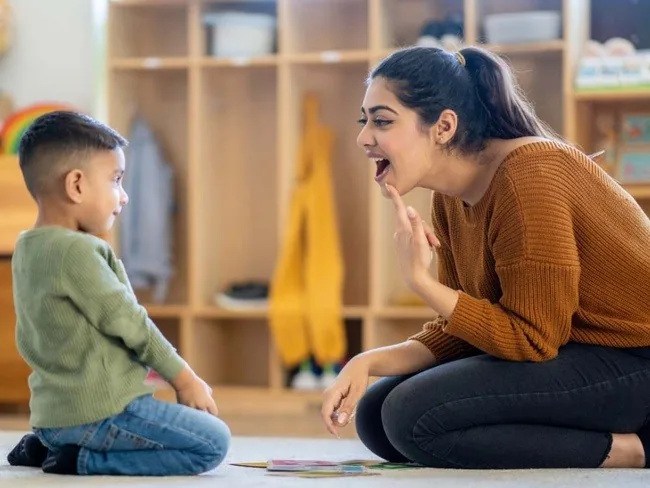
Children with autism often need support in developing the skills they use every day to communicate, interact with others, and manage daily routines. Applied Behavior Analysis therapy focuses on teaching these essential abilities through structured and individualized programs. By targeting meaningful goals, ABA therapy helps children become more independent and confident in everyday life.
Many families turn to ABA therapy because it supports growth across multiple areas of development. Programs typically focus on building communication skills in ABA, strengthening social skills and autism development, and teaching independence through daily living ABA programs.
Together, these skill areas form the foundation for long-term success at home, in school, and in the community.
Building Communication Skills Through ABA Therapy
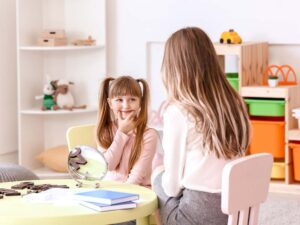
Communication is one of the most important areas addressed in ABA therapy. Children communicate in different ways, and ABA programs are designed to support each child’s unique needs and abilities.
Developing strong communication skills in ABA helps children express their needs, understand others, and participate more fully in daily activities.
ABA therapy may focus on helping children learn to:
- Request items or assistance.
- Use words or communication devices.
- Follow instructions
- Answer questions
- Label objects or actions
- Engage in conversation
Therapists teach communication skills step by step using structured teaching and positive reinforcement. As children experience success, communication becomes easier and more natural.
Improved communication often reduces frustration and helps children participate more comfortably in family routines and social situations.
Supporting Social Skills Development
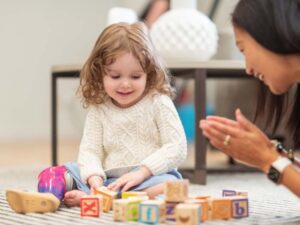
Social interaction can be challenging for many children with autism. ABA therapy provides structured opportunities to practice and develop social abilities in supportive environments.
Programs that target social skills and autism often focus on helping children understand how to interact with others in meaningful ways.
Common social skills goals include:
- Making eye contact
- Taking turns
- Sharing toys or materials
- Greeting others
- Playing cooperatively
- Recognizing social cues
Therapists use modeling, guided practice, and reinforcement to help children learn these skills. Practice may occur during play activities, structured lessons, or community outings.
As social skills improve, children often become more comfortable participating in school activities and forming peer relationships.
Teaching Daily Living Skills
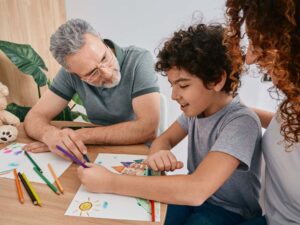
Daily routines provide important opportunities for children to build independence. ABA therapy often includes structured programs that focus on practical life skills.
Through daily living ABA programs, children learn the skills they need to manage everyday tasks with greater independence.
Daily living skills may include:
- Getting dressed
- Brushing teeth
- Washing hands
- Using the bathroom independently
- Cleaning up toys
- Following routines
- Preparing simple foods
These skills are often taught using small, manageable steps so children can succeed and gradually become more independent.
Daily living skills support confidence and reduce the level of assistance children need from caregivers over time.
Individualized Learning for Every Child
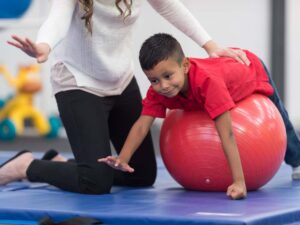
No two children learn in the same way. ABA therapy programs are individualized to match each child’s strengths, challenges, and developmental level.
Some children may need more support in communication, while others may focus more heavily on social interaction or daily routines. Treatment plans evolve as children gain new skills and make progress.
Individualized programs help ensure that therapy focuses on the areas that matter most for each child.
How Skills Connect to Real Life
ABA therapy is designed to support real-life success. Skills learned during therapy sessions are practiced in everyday situations so children can use them independently.
For example:
- Communication skills may be practiced during meals or playtime.
- Social skills may be practiced with siblings or peers.
- Daily living skills may be practiced during morning or bedtime routines.
Practicing skills in natural environments helps children apply what they learn across different settings.
This practical approach makes ABA therapy especially effective for building lasting independence.
Measuring Progress in ABA Therapy
One of the strengths of ABA therapy is its focus on measurable progress. Therapists collect data during sessions to track improvement and adjust goals when needed.
Tracking progress helps ensure that:
- Skills are developing over time.
- Goals remain appropriate
- Teaching strategies are effective.
- Children continue moving forward.
Families receive updates so they can understand how their child is progressing and how to support development at home.
Supporting Long-Term Independence
The ultimate goal of ABA therapy is to help children become as independent as possible. By building communication, social, and daily living skills, children develop the tools they need to navigate everyday life.
Strong communication skills in ABA, improved social skills and autism development, and consistent practice through daily living ABA programs help children gain confidence and independence over time.
Clearsteps ABA provides individualized ABA therapy designed to help children strengthen communication, social interaction, and daily living skills in meaningful ways.
Contact Clearsteps ABA today to learn how ABA therapy can help your child build the skills needed for everyday success.